Updating tech or a process flow? Don't forget to RHIP into your power structure
Why you may want to spend less time gathering requirements and more time RHIP'ing into your organization's power structure.

Aaron Holman
Co-Founder, Partner · June 1, 2025
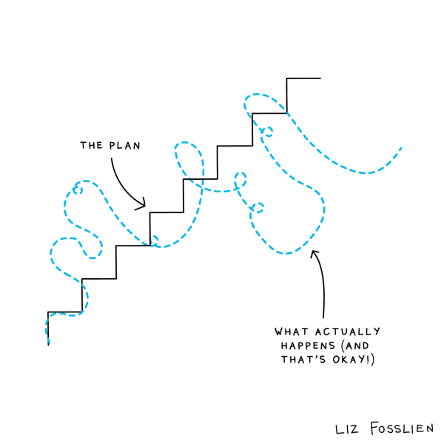
"Adopting new technology or approaches in healthcare is hard, even when you plan and execute by the book, you are likely still missing some very fundamentally human things."
While numerous methodologies exist for technology implementation and process change—including Kaizen, Six-Sigma, and LEAN approaches—many overlook crucial human factors. Harvard School of Public Health Professor Michaela Kerrissey's research on the RHIP framework addresses this gap.
The core problem: organizations can develop solid problem statements, build consensus, and achieve stakeholder agreement on goals, yet implementations still fail due to unforeseen human elements tied to organizational power dynamics.
The RHIP Framework
⚖️ RISK
Individuals may fear the technology will fail, creating barriers to adoption—particularly among those in critical service roles.
📝 HABIT
Established routines create significant learning barriers; workers proficient in current systems resist change despite potential improvements.
🙃 IDENTITY
Process changes can threaten professional identity. Automated roles mean "your identity has changed and most will see that as a personal attack."
🔌 POWER
Tenure-based power structures dissolve when systems streamline knowledge once held by senior staff, creating resistance from those losing influence.
Case Study
The NPR Planet Money podcast examined failed efforts to transition emergency department physicians from pagers to smartphones at an advanced health system—a perfect example of how even seemingly simple technology changes can fail when human factors are ignored.
Want to talk about this?
We publish what we learn from the work. If it applies to your organization, get in touch, or join the conversation on LinkedIn.